
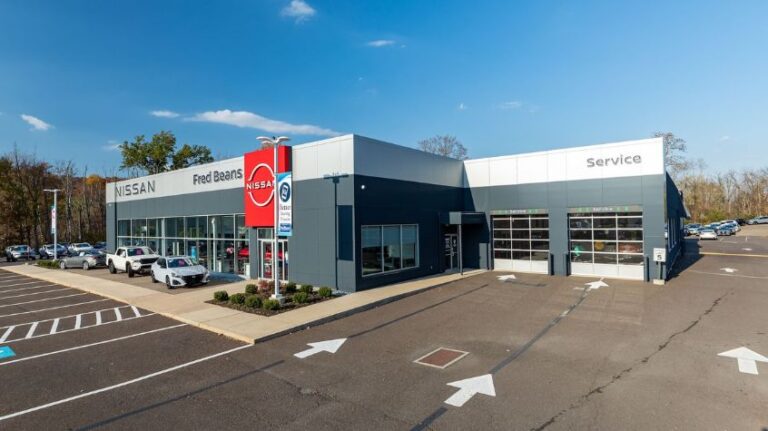
The automotive industry is entering a new era, and car dealership construction is evolving to keep pace. As electric vehicles continue to gain traction, dealerships are being reimagined to accommodate new technologies, evolving customer expectations, and long-term operational needs.
Modern dealerships are no longer just places to display inventory. They are experience-driven environments that combine digital tools, flexible layouts, and EV-ready infrastructure. From automotive dealership design to EV charging station design, every element now plays a role in shaping how vehicles are sold and experienced.
Designing Dealerships for Today’s Online-to-In-Person Buyer
Traditional car dealership design focused on displaying as many vehicles as possible. Today, that model is no longer enough.
Modern buyers often arrive informed. They have already researched their options and expect a space that supports exploration rather than just inventory.
They are looking for:
- A seamless transition from online to in-person
- Open, easy-to-navigate layouts
- Interactive tools and displays
- A more comfortable, customer-focused environment
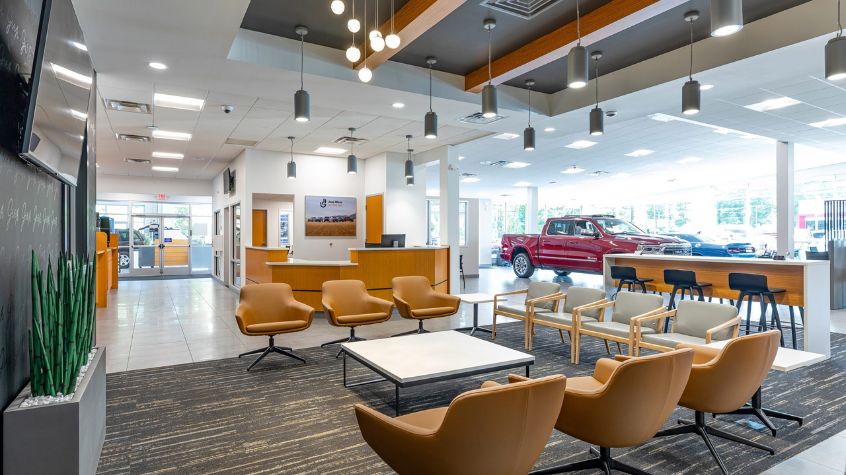
This shift is driving a major change in car dealership showroom design, where experience and engagement matter more than density.
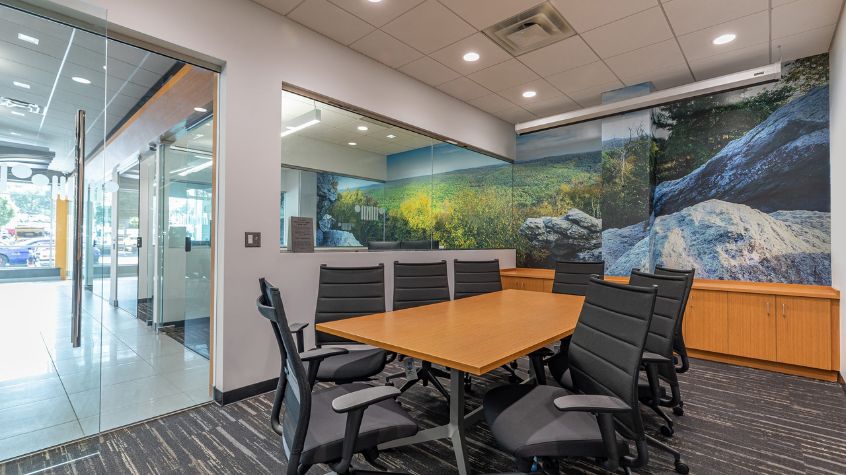
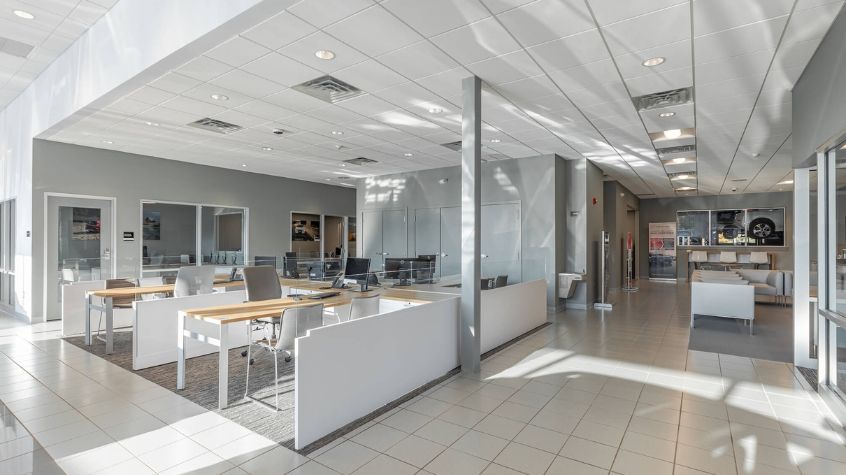
Many of these ideas can already be seen in real-world car dealership construction projects, where layouts are designed around customer flow rather than just vehicle placement.
Why Car Dealership Design Is Changing
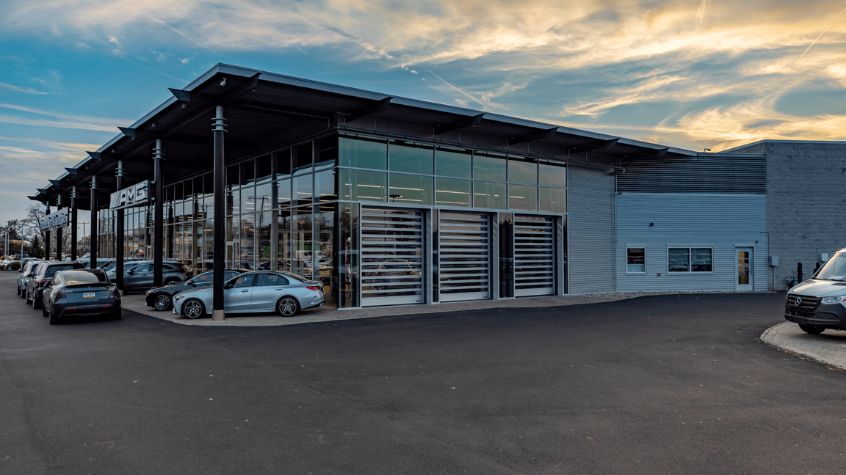
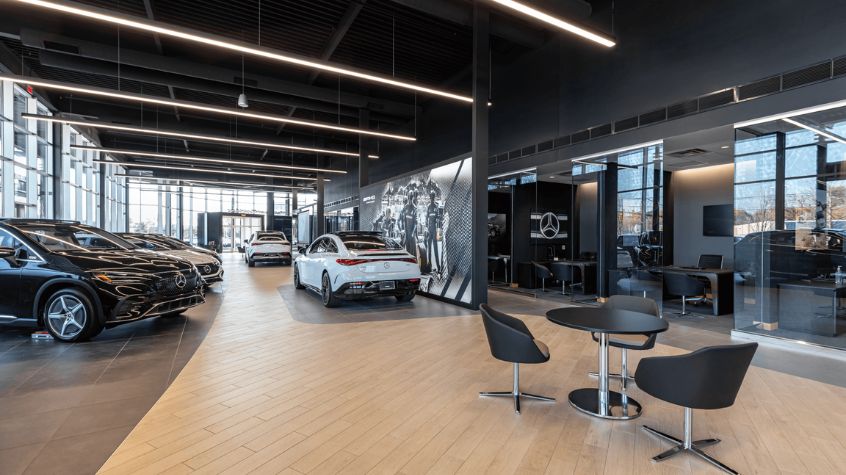
Modern car dealership layouts are built with flexibility in mind. Instead of fixed layouts, dealerships are creating adaptable spaces that can evolve with changing inventory and technology.
This often includes:
- Modular zones for different vehicle types
- Dedicated EV display and education areas
- Integrated service and sales pathways
- Open areas for events and customer engagement
Looking at how broader commercial construction projects are structured helps reinforce this approach, especially when designing spaces that need to adapt over time.
Building for Electric Cars: A New Standard
Building for electric cars is now a core part of modern car dealership construction.
EVs introduce new requirements that go beyond traditional design:
- Higher electrical capacity
- Charging accessibility
- Specialized service areas
- Customer education zones
Dealerships need to be built with scalability in mind, allowing them to adapt as EV adoption continues to grow.
Across the industry, companies are beginning to rethink how dealership design for electric vehicles supports evolving needs and long-term functionality, reflecting a broader shift in how spaces are planned for the future.
What Makes Effective EV Charging Station Design?
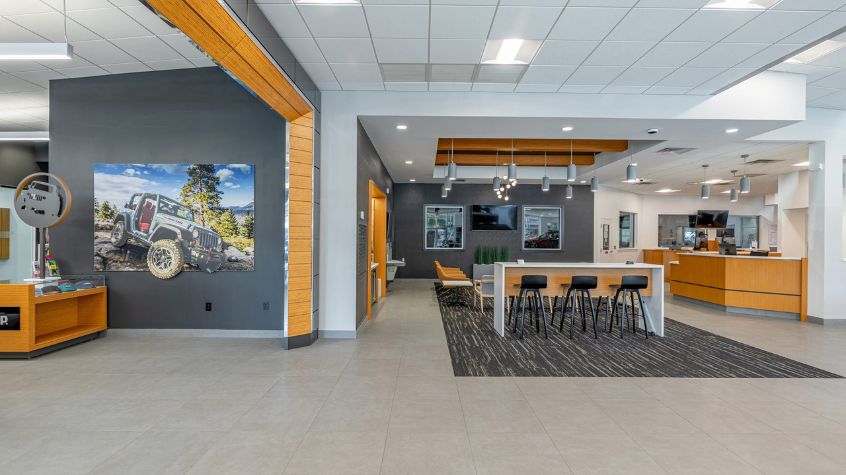
EV charging station design plays a central role in creating an EV-ready dealership.
It’s not just about installing chargers; it’s about integrating them into the overall experience.
Effective design considers:
- Visibility and accessibility
- Fast-charging capabilities
- Protection from weather conditions
- Clear navigation and placement
When done correctly, charging stations become a natural extension of the dealership rather than a separate feature.
The Rise of the EV Dealership
An EV dealership is designed specifically for electric vehicle sales, service, and education.
These dealerships differ from traditional models in several ways:
- Minimalist showroom layouts with fewer vehicles
- Technology-focused displays and digital tools
- Sustainability-driven building materials
- Energy-efficient lighting and systems
Rather than focusing on volume, EV dealerships focus on experience, education, and brand storytelling.
Innovative Car Dealership Design Ideas for 2026
Forward-thinking dealerships are exploring new car dealership design ideas to stay competitive.
Some of the most effective approaches include:
- Maximizing natural light with open glass designs
- Using interactive digital tools for customization
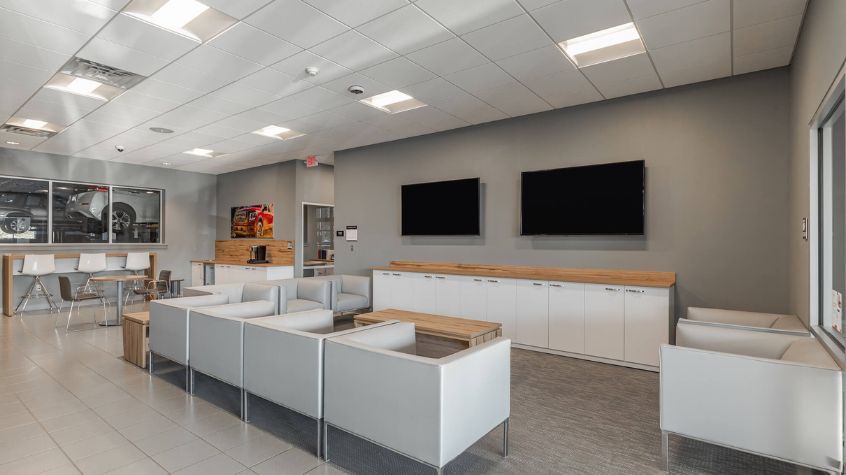
- Creating comfortable waiting and lounge areas
- Designing dedicated delivery and handoff spaces
Many of these strategies are highlighted in discussions around how dealerships are evolving, including insights shared in How Are Car Dealerships Modernizing Showrooms in 2026?
Why Automotive Dealership Design Requires Strategic Planning
Successful automotive dealership design depends on careful planning from the start.
Every decision, from layout to infrastructure, affects how the space performs long term.
A well-planned dealership supports:
- Efficient customer flow
- Smooth service operations
- Adaptability for future technologies
- Strong brand consistency
Working with a team that understands the full construction process ensures that these elements come together in a cohesive way.
The Role of Automotive Contractors in Dealership Construction
Working with experienced automotive contractors is one of the most important parts of a successful project.
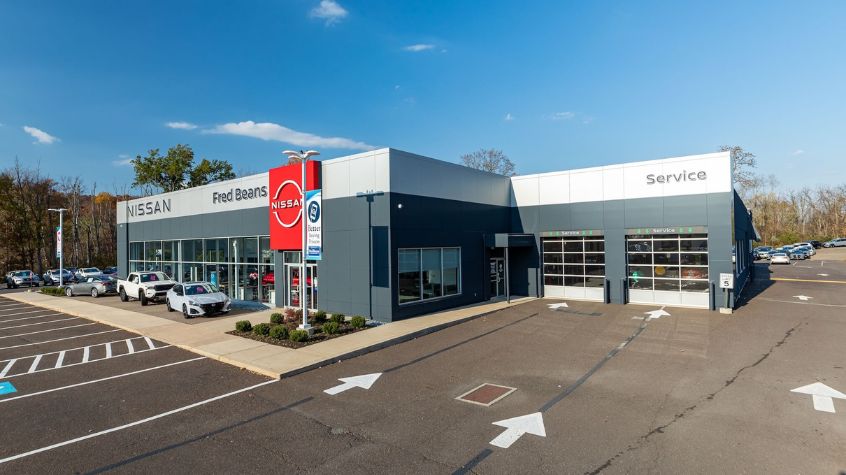
Dealership construction is not a standard commercial build. It requires specialized knowledge of:
- Manufacturer requirements
- Large-span structural design
- Service bay integration
- Electrical systems for EV infrastructure
Teams that understand both design and execution, like the approach outlined on our About Us page, help ensure that every part of the project aligns with both operational needs and brand expectations.
Working with a design-build contractor like Souder Brothers Construction can streamline this process by bringing planning, coordination, and construction under one team, helping reduce delays, improve communication, and keep projects aligned from concept through completion.
The Future of Car Dealership Construction
The future of car dealership construction is centered on adaptability, technology, and sustainability.
As EV adoption continues to grow, dealerships must evolve to support:
- Expanding charging infrastructure
- Changing customer expectations
- Digital retail integration
- Sustainable building practices
Dealerships that invest in modern design today will be better positioned for long-term success.
Final Thoughts
Designing for EV growth is not just about adding chargers. It is about rethinking how the entire dealership functions.
From adaptable car dealership layouts to integrated EV charging station design, every element should work together to create a space that supports both current needs and future growth.
For dealerships planning their next step, starting the conversation through the contact page is often where that process begins.