
Healthcare facilities face unique challenges when it comes to planning renovations. Whether upgrading a dental practice, expanding a lab, or remodeling a medical suite, each project requires specialized expertise in design, compliance, and construction management. Starting a medical office renovation means balancing patient comfort, strict regulations, and advanced building systems, all while keeping operations running smoothly.
At Souder Brothers Construction, our team has decades of experience managing complex healthcare and laboratory renovations across Pennsylvania and New Jersey. Here’s what every practice owner or facility manager should know before beginning a commercial renovation project in the medical sector.
Understand the Unique Requirements of Medical Office Construction
Unlike standard office upgrades, medical office construction involves critical infrastructure that supports patient care and clinical operations. Renovating these spaces requires additional planning, specialized materials, and knowledge of healthcare codes.
Key considerations for healthcare projects include:
- Medical gas and vacuum systems
- Proper ventilation, air exchanges, and infection control
- Durable, easy-to-sanitize surfaces and finishes
- Soundproofing for patient privacy
- ADA-compliant access and mobility accommodations
Every detail matters when lives and safety are involved. Facilities that treat patients must comply with standards such as the ADA’s guidelines for medical care and mobility access, ensuring all visitors can navigate comfortably and receive equal care.
For a deeper look at these design and compliance issues, explore 5 Key Considerations for Medical Office Construction.
Define Your Project Goals and Budget
The first step in any successful commercial remodel is to define clear goals. Are you expanding patient capacity, updating outdated technology, or improving staff workflow? Each goal influences scope, budget, and timeline.
When setting your renovation priorities, consider:
- Long-term functionality vs. short-term upgrades
- Workflow improvements for medical staff
- Space allocation for patient intake, exams, and administrative areas
- Energy-efficient mechanical systems to reduce operating costs
Construction consulting services can help assess feasibility before work begins. These services identify design constraints, estimate costs, and help create a phased plan that minimizes disruption to daily operations. Souder Brothers provides comprehensive consulting and preconstruction planning for clients throughout the region.
Hire an Experienced Renovation Contractor
Choosing the right renovation contractor is essential for healthcare projects. Contractors with experience in medical office construction understand the strict scheduling, permitting, and safety standards that apply to occupied facilities.
An experienced team can:
- Coordinate with inspectors and health departments.
- Manage infection control and clean construction zones.
- Phase work to allow the practice to stay open.
- Handle specialized trades such as plumbing, HVAC, and electrical for medical systems.
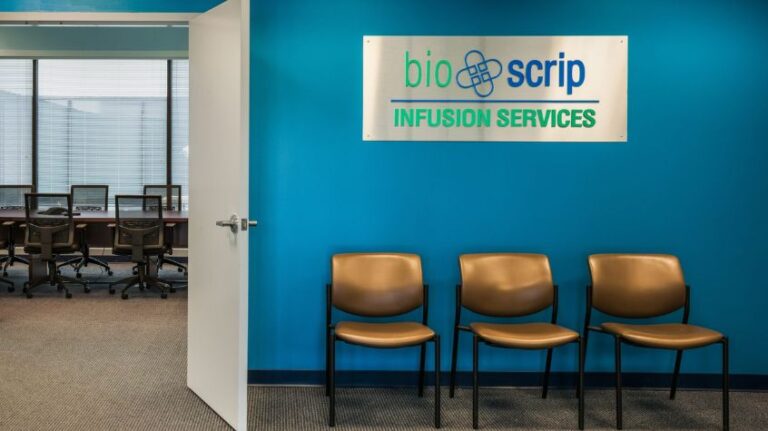
Souder Brothers has delivered successful healthcare renovations including Bioscrip, Manor College Dental Health Center, and Tri County PMC. Each project reflects our ability to deliver precision, safety, and compliance on every level.
Use a Design-Build Approach to Simplify the Process
Many medical facilities choose design-build construction for its efficiency and single-point accountability. With one unified team handling both design and construction, the process becomes smoother and more collaborative.
Advantages of the design-build method:
- Streamlined communication and decision-making
- Fewer change orders and unexpected delays
- Cost transparency and faster completion
- Unified oversight of compliance, quality, and safety
Design-build delivery is particularly effective when medical practices need to complete renovations quickly or occupy their facility during construction. Learn more about this approach in Design-Build Method Construction: Streamlining Projects for Better Results.
Plan for Operations During Construction
Many healthcare facilities cannot fully shut down for renovation. In these cases, careful planning and sequencing are critical.
A qualified renovation contractor will:
- Phase construction to maintain essential patient access.
- Establish isolated work zones for dust and noise control.
- Coordinate mechanical shutdowns outside business hours.
- Ensure clean, safe pathways for patients and staff.
Communication is the foundation of every successful commercial renovation project. Weekly progress meetings, site safety updates, and schedule reviews help prevent disruption and keep everyone aligned.
For guidance on selecting a contractor who values communication, read Your Top 5 Questions About Hiring a Commercial General Contractor Answered.
Focus on Efficiency and Patient Experience
When planning how to make a medical office more efficient, think beyond the floor plan. Efficiency means optimizing every aspect of the patient and staff journey.
Ways to improve efficiency include:
- Streamlined patient intake and checkout stations
- Logical circulation patterns that reduce staff travel distance
- Centralized storage for supplies and equipment
- Flexible exam rooms adaptable to multiple specialists
- Digital integration for records, imaging, and communication
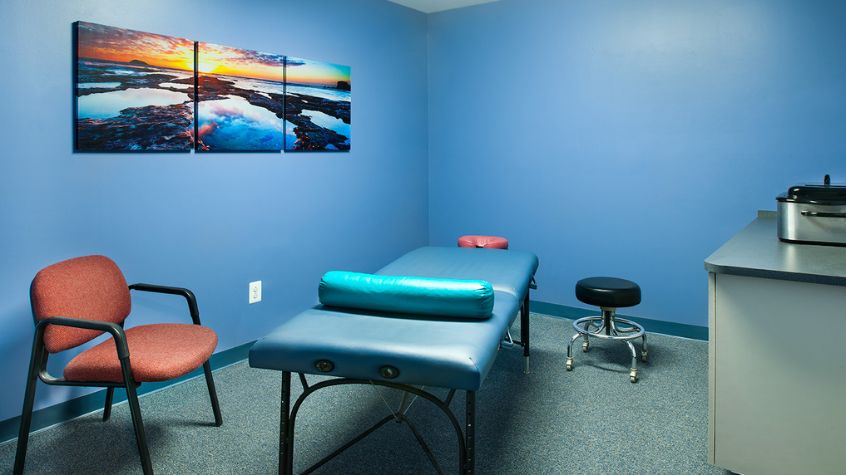
The design should also support comfort. Natural lighting, acoustic privacy, and intuitive wayfinding all contribute to a positive patient experience and staff satisfaction.
Souder Brothers’ construction consulting services help clients balance these operational goals with practical budget and design considerations.
Understand the Value: Are Medical Office Buildings a Good Investment?
Many healthcare investors and property owners ask, Are medical office buildings a good investment? The answer is often yes, provided the property is well-located and built for adaptability.
Medical facilities tend to have stable tenants, longer leases, and consistent occupancy rates. A thoughtfully executed medical office renovation can significantly increase property value, especially when incorporating:
- Energy-efficient systems that lower long-term operating costs
- Flexible layouts that accommodate future specialists or equipment
- Durable finishes that reduce maintenance
- Technology-ready infrastructure to support evolving care models
A high-quality renovation pays dividends over time through improved efficiency, patient satisfaction, and lease stability.
Building Specialized Spaces That Last
Medical and laboratory renovations demand precision, planning, and proven expertise. Whether you are expanding an existing facility, updating infrastructure, or building new, working with an experienced contractor ensures compliance, safety, and lasting quality.
Souder Brothers Construction provides complete medical office construction and commercial renovation project support, including design-build construction and preconstruction consulting. Our team understands what it takes to deliver high-performance healthcare environments that meet the needs of both patients and providers.
Explore our Specialty Construction portfolio to view completed healthcare and lab projects, or visit our Commercial Construction gallery for additional examples.
To start planning your next medical office renovation, contact our team today through our Contact page.