
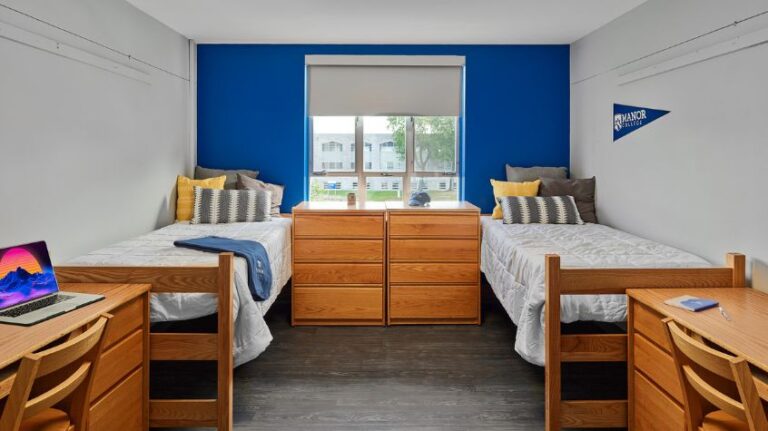
College and university facilities are evolving quickly. Institutions are modernizing classrooms, labs, residence halls, and student spaces to support new learning models and long-term campus growth. As organizations plan upcoming projects, one of the most important early decisions is choosing the right project delivery method. For many owners, the choice comes down to design-build or traditional design-bid-build.
This guide explains how each approach works, how they impact college and university construction costs and timelines, and how institutions can choose the best method for their next project.
Why Delivery Method Matters in College and University Construction
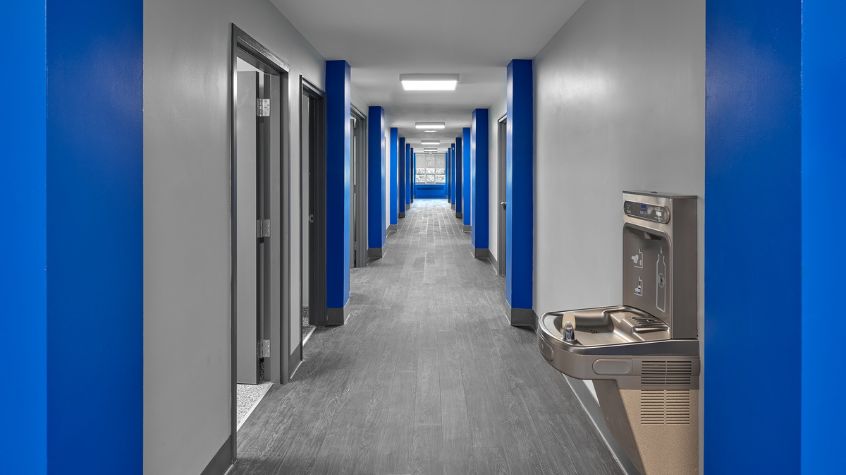
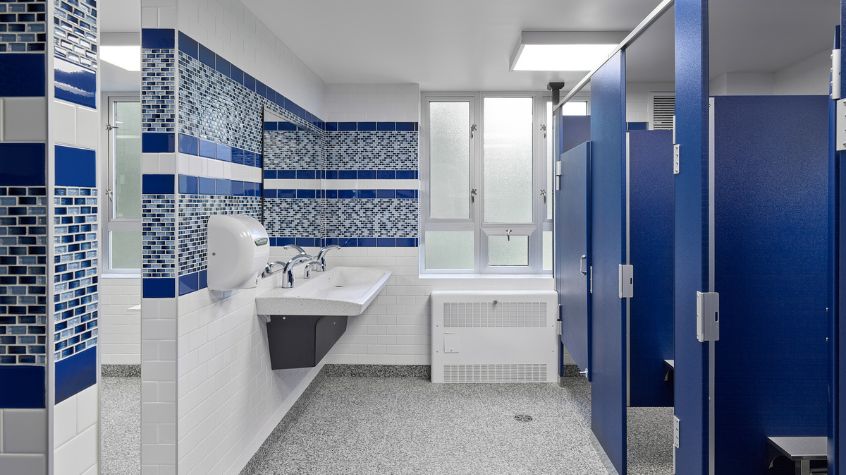
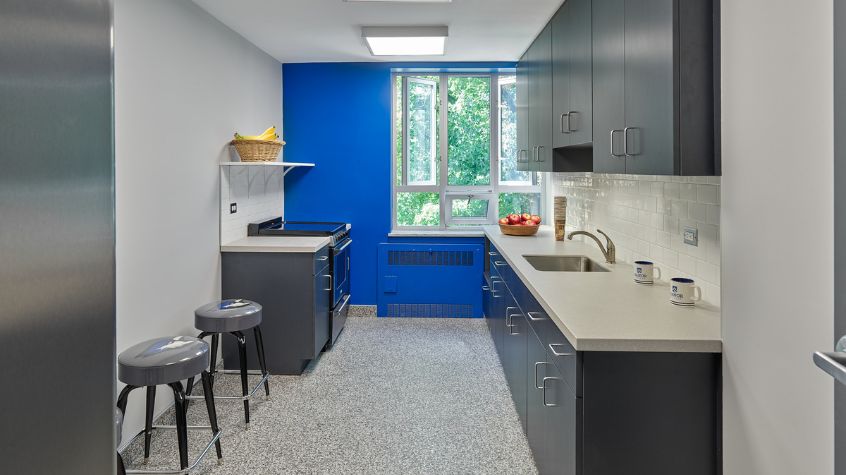
College and university construction requires careful coordination. Classroom projects, research facilities, and student life buildings must meet strict performance standards while minimizing disruption to campus operations. The delivery method influences:
- Project speed and efficiency
- Budget control and cost certainty
- Collaboration between designers and builders
- Flexibility during planning and construction
- Risk management and accountability
Experienced partners play a major role in project success. As a trusted PA construction company, Souder Brothers Construction supports colleges and universities with both traditional and design-build delivery models.
For additional context on campus project challenges, see Building for Knowledge: Navigating College and University Construction Challenges.
Understanding Traditional Delivery for College and University Construction
Traditional delivery, often called design-bid-build, is widely used for institutional and public-sector construction projects. It follows a linear sequence.
How Traditional Construction Delivery Works
- The owner hires an architect to complete the design.
- The project is put out to bid.
- Contractors submit pricing based on the completed drawings.
- The owner selects a general contractor.
- Construction begins.
Advantages of Traditional Construction Delivery
- Clear separation of design and construction roles
- Competitive bidding that may reduce initial costs
- Familiar process for many institutions
Challenges for College and University Construction
Traditional delivery can create longer timelines and less flexibility. If design issues arise during construction, change orders may increase College and University Construction costs. Coordination between designers and builders can also be more complex.
Understanding Design-Build for College and University Construction
Design-build brings design and construction under one contract. The owner works with a single team that manages the entire process from concept through completion.
How Design-Build Construction Works
- The owner selects a design-build team early.
- Designers and builders collaborate from day one.
- Budgets, schedules, and constructability are aligned throughout the project.
- Construction can begin before the full design is complete.
Advantages of Design-Build Construction
- Faster project delivery
- Fewer change orders and cost surprises
- Strong collaboration between architects, engineers, and builders
- Greater flexibility for evolving campus needs
- Streamlined communication and accountability
These benefits make design-build a strong fit for College and University Construction trends, especially projects that require speed, adaptability, or complex technical coordination.
Challenges of Design-Build Construction
- Less competitive bidding on individual trades
- Requires owners to define goals early
- Success depends heavily on selecting the right team
Comparing Design-Build and Traditional Delivery for Classroom Construction Projects
- Speed and Scheduling: Design-build typically shortens project timelines because design and construction overlap. This is especially valuable for classroom construction projects that must be completed between academic terms.
- Cost Control: Traditional delivery may offer lower initial bids, but design-build often provides better long-term cost certainty. Early collaboration helps identify cost-saving opportunities before construction begins.
- Flexibility: Design-build allows adjustments during the design phase without major delays. Traditional delivery is less flexible once drawings are complete.
- Risk Management: With design-build, the team shares responsibility for design and construction. In traditional delivery, the owner often manages more risk and coordination.
Trends Shaping College and University Construction in 2026
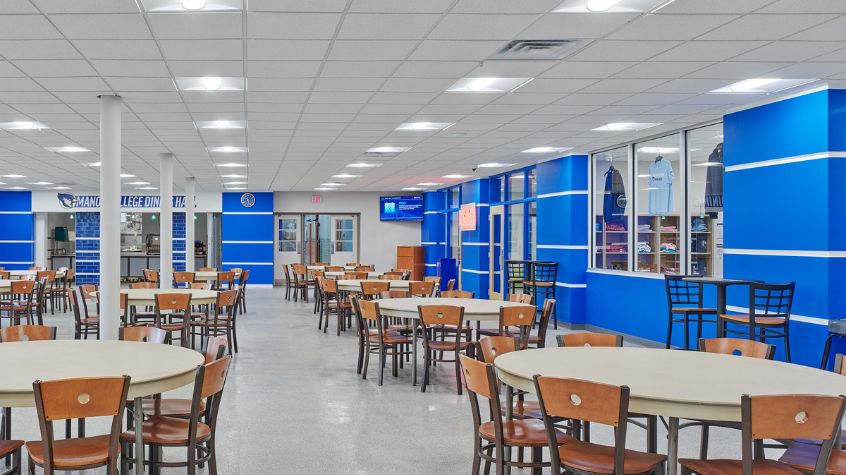
Colleges and universities are rethinking how students learn, collaborate, and live on campus. Several trends are influencing educational building construction decisions:
- Growth in flexible, technology-enabled classrooms
- Increased demand for STEM and research facilities
- Emphasis on sustainability and energy efficiency
- Need for adaptable student life and wellness spaces
- Rising expectations for hands-on learning environments
According to the Higher Ed Facilities Forum, on campus construction projects increasingly offer real world learning opportunities for students. These trends reinforce the importance of choosing a delivery method that supports innovation, collaboration, and long term campus goals.
How to Choose the Right Delivery Method for College and University Construction
1. Evaluate Project Complexity
Research labs, STEM buildings, and specialized facilities often benefit from design-build due to the need for early technical coordination.
2. Consider Timeline Requirements
If the project must be completed within a tight academic window, design-build may offer the speed needed.
3. Assess Budget Priorities
Traditional delivery may provide competitive initial pricing, while design-build offers stronger cost predictability.
4. Review Internal Resources
Some institutions prefer the structured oversight of traditional delivery. Others value the integrated communication of design-build.
5. Select Experienced Partners
A qualified general contractor in PA with higher education experience is essential for either method. Explore examples of specialized campus projects in the Souder Brothers specialty construction portfolio.
Preparing for Your Next College and University Construction Project
College and university construction is evolving quickly. Whether you choose design-build or traditional delivery, success depends on early planning, clear goals, and experienced partners who understand the unique needs of colleges and universities.
For institutions planning education construction, school construction, or construction in PA, the Souder Brothers team provides guidance from concept through completion. To discuss your project or request a consultation, you can contact us.
Frequently Asked Questions
Design-build uses one contract for design and construction, while traditional delivery separates the two. Design-build offers faster timelines and stronger collaboration, and traditional delivery provides competitive bidding and a familiar structure.
Design-build often provides better long-term cost control because the team collaborates early. Traditional delivery may offer lower initial bids but can lead to more change orders.
Design-build is often preferred for classroom projects with tight schedules or evolving program needs. The integrated approach allows faster decision-making and fewer delays.
Trends such as flexible learning spaces, advanced technology, and sustainability goals often align well with the collaborative nature of design-build.
Look for experience in college and university construction, strong communication, proven project management, and a portfolio of successful campus projects.