
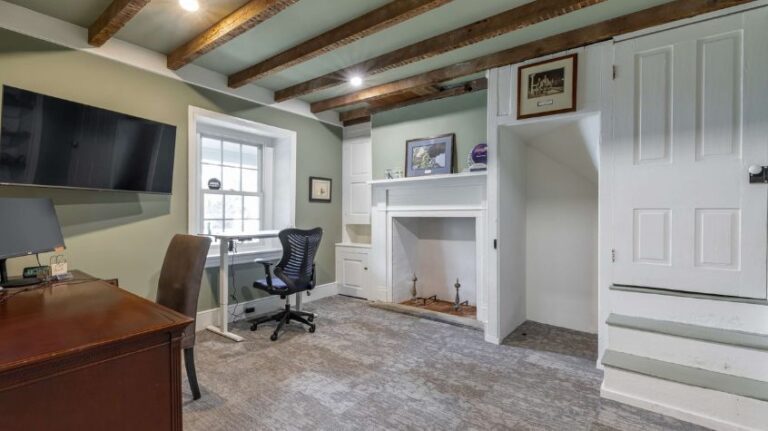
The way we work has changed, and so must the spaces we work in. Businesses across the Greater Philadelphia Area are reimagining their offices to support flexibility, collaboration, and comfort. Planning an office renovation for hybrid work means balancing design, technology, and functionality to create a workplace where people want to be.
At Souder Brothers Construction, we help companies plan and execute renovations that adapt traditional office layouts to the needs of modern teams. Whether you’re building new, remodeling an existing space, or adding on to your current property, careful planning is the foundation of a successful office construction project.
Understanding the Hybrid Office Model
The hybrid model blends in-office collaboration with remote work flexibility. It reduces the need for rows of desks while emphasizing shared spaces that bring people together. According to JLL’s workplace insights, organizations are focusing on smaller, more efficient footprints that support social interaction and well-being.
A well-planned office renovation design in the Greater Philly Area should account for:
- Flexible layouts that can adapt to changing work patterns.
- Technology integration for video conferencing, shared displays, and hybrid meetings.
- Acoustic balance to support both focus work and group collaboration.
- Comfort and wellness features that make returning to the office inviting.
Before you begin construction, identify how often employees use the office, what tasks they perform there, and which areas are underutilized. This helps define scope and guides decisions on layout, materials, and amenities.
Step 1: Define Office Renovation for Hybrid Work Goals and Budget
Every successful office remodel starts with clear objectives. Are you creating a collaborative hub for meetings, upgrading infrastructure for hybrid technology, or optimizing space for long-term flexibility? Setting priorities early ensures that your design and construction teams can align on scope and cost.
When defining your budget:
- Consider long-term efficiency and energy savings, not just upfront costs.
- Allocate funds for technology upgrades such as AV systems and data cabling.
- Factor in furniture and interior branding that reflect your company culture.
- Build in a contingency allowance to handle unexpected conditions.
Working with experienced office renovation contractors helps clarify these goals and translate them into realistic budgets. For insight into hiring the right partner, read Your Top 5 Questions About Hiring a Commercial General Contractor Answered.
Step 2: Work with Experienced Commercial Fit-Out Contractors
A successful office construction project depends on coordination among designers, engineers, and builders. Commercial fit-out contractors specialize in transforming existing buildings into productive office environments while minimizing disruption to daily operations.
Fit-out contractors handle key elements such as:
- Space planning and partition layout
- Electrical and mechanical upgrades
- Flooring, lighting, and ceiling finishes
- Accessibility and life safety compliance
Souder Brothers provides complete fit-out support services for businesses across the Greater Philadelphia Area, from initial planning to final walk-through. Explore examples of our completed projects in Office Fit Out Construction.
Step 3: Leverage Construction Consulting Services
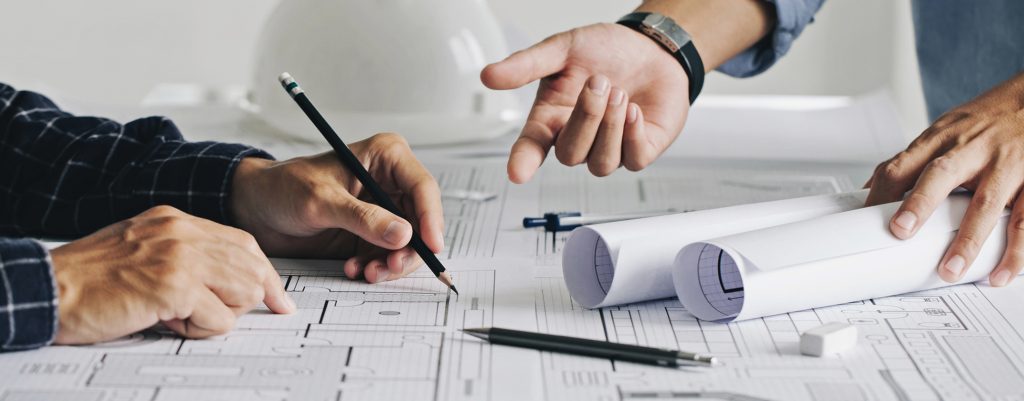
For complex or phased renovations, construction consulting services help owners make informed decisions before work begins. Consultants evaluate design feasibility, identify cost-saving opportunities, and plan logistics to keep your renovation on track.
This step is particularly valuable for projects that include commercial additions in Montgomery County, PA, or for companies expanding while remaining operational.
Consulting services typically include:
- Budget development and scheduling analysis
- Permit and code compliance review
- Value engineering recommendations
- Coordination of subcontractors and specialty trades
These insights ensure that your project runs smoothly from concept to completion and prevent costly changes later in construction.
Step 4: Choose a Design-Build Approach for Efficiency
Traditional construction methods separate design and building, which can cause delays or scope changes. The design-build method brings both functions together under one team for a more streamlined, efficient process. This model is perfect for an office renovation for hybrid work.
Benefits of a design-build approach include:
- Faster project delivery and reduced downtime
- Consistent communication among all stakeholders
- Unified responsibility for quality, cost, and schedule
- Greater flexibility for design adjustments during construction
Learn how this process creates better outcomes in Design-Build Method Construction: Streamlining Projects for Better Results.
Step 5: Design for Function and Flexibility
The best office renovation designs prioritize employee comfort, collaboration, and adaptability. As hybrid work evolves, the office must serve multiple functions—meeting place, social hub, and productivity zone—all in one.
Key considerations for a hybrid-ready layout:
- Multi-purpose rooms that shift between team meetings and quiet work.
- Movable walls and modular furniture for flexible space use.
- Improved air quality systems for health and wellness.
- Durable, acoustic-friendly materials that manage sound and last long-term.
Lighting, color, and finishes also play an important role. Warm, natural tones and biophilic elements (like plants and natural materials) help create a space employees enjoy returning to each week.
Step 6: Plan for Phasing and Occupied Renovations
Many companies cannot afford to shut down entirely during a renovation. Planning for phased construction allows your team to keep working safely while your contractor upgrades one section at a time.
Experienced office renovation contractors will:
- Create detailed construction schedules to limit disruption.
- Separate active work zones from occupied areas.
- Manage noise, dust, and access around daily operations.
- Provide clear communication about timelines and expectations.
Good planning keeps productivity high and employee morale strong throughout the process.
Building a Workplace That Works Better
Modern office renovations are not just about updating finishes; they are about creating an environment where teams thrive. A thoughtful approach, backed by experienced professionals, ensures that every square foot supports your company’s goals.
Whether your project involves a complete office construction or targeted commercial additions in Montgomery County, PA, Souder Brothers Construction provides expert guidance through every stage of planning and execution.
Explore our Commercial Construction portfolio to see recent projects, or contact our team directly through our Contact page to start planning your hybrid-ready renovation.